Day trading is one of the most talked‑about ways to make money in the financial markets, but it’s also one of the most misunderstood. Many people imagine fast screens, quick profits, and constant excitement — but the real picture is very different. If you’re curious about what day trading actually is and how it works, this guide breaks it down in simple, beginner‑friendly language.
What Exactly Is Day Trading?
Day trading is the practice of buying and selling financial assets within the same day. The goal is to take advantage of small price movements that happen over short periods of time.
A day trader:
- Opens a position
- Closes that position before the day ends
- Never holds trades overnight
This applies to stocks, crypto, forex, commodities, and other markets.
The idea is simple: make small profits many times, instead of waiting weeks or months for a long‑term investment to grow.
How Day Trading Works
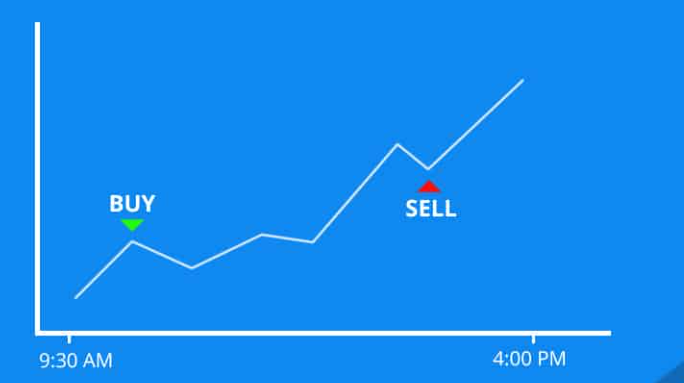
Day trading is built on short‑term price changes. Traders look at charts, patterns, and market behavior to decide when to enter and exit a trade.
Here’s what a typical day trader focuses on:
1. Price Movements
Small changes in price can create opportunities. Even a tiny move can be profitable if managed correctly.
2. Volume
High trading volume means more activity, which often leads to more opportunities.
3. Volatility
Day traders prefer assets that move frequently. More movement means more chances to profit.
4. Technical Analysis
Instead of relying on news or long‑term predictions, day traders use:
- Candlestick charts
- Support and resistance levels
- Indicators like RSI, MACD, and moving averages
These tools help them understand market behavior in real time.
Why People Are Attracted to Day Trading
Day trading has become popular for several reasons:
- Low entry barriers: Anyone with a smartphone or computer can start.
- Fast results: You don’t wait months to see outcomes.
- Flexibility: You can trade from anywhere.
- Potential for profit: Skilled traders can earn consistently.
But it’s important to understand that day trading is not easy money. It requires discipline, strategy, and emotional control.
The Reality: Day Trading Is Not for Everyone
Many beginners jump into day trading expecting quick profits. The truth is:
- Most new traders lose money
- Emotional decisions lead to mistakes
- Without a strategy, results are unpredictable
Successful day traders treat it like a serious skill, not a gamble.
Common Strategies Used in Day Trading
Here are a few popular approaches:
1. Scalping
Making many small trades throughout the day to capture tiny price movements.
2. Momentum Trading
Buying when the price is moving strongly in one direction and riding the trend.
3. Breakout Trading
Entering a trade when the price moves above or below a key level.
4. Reversal Trading
Looking for signs that a trend is about to change direction.
Each strategy requires practice, patience, and risk management.
Risk Management: The Most Important Part
Day trading is risky, but smart traders protect themselves by:
- Setting stop‑loss orders
- Limiting the amount they risk per trade
- Avoiding emotional decisions
- Keeping a trading journal
- Never risking money they can’t afford to lose
Risk management is what separates long‑term traders from short‑term gamblers.
Tools Day Traders Use
To trade effectively, most day traders rely on:
- Charting platforms
- Fast internet connection
- Real‑time market data
- Trading apps or desktop software
- News alerts
- Technical indicators
These tools help them react quickly to market changes.
Is Day Trading Right for You?
Day trading can be exciting and rewarding, but it’s not for everyone. It requires:
- Time
- Focus
- Discipline
- A willingness to learn
- Comfort with risk
If you enjoy analyzing charts, making quick decisions, and learning how markets behave, day trading might be something worth exploring — but always start small and educate yourself first.
Final Thoughts
Day trading is not a shortcut to wealth. It’s a skill that takes time, practice, and patience to develop. Understanding how it works is the first step. If you decide to try it, start slowly, learn the basics, and always protect your money with proper risk management.
With the right mindset and preparation, day trading can become a valuable tool in your financial journey — but only if you approach it with respect and realistic expectations.